Keep Your Brain Sharp: Four Everyday Habits That Protect Your Mind
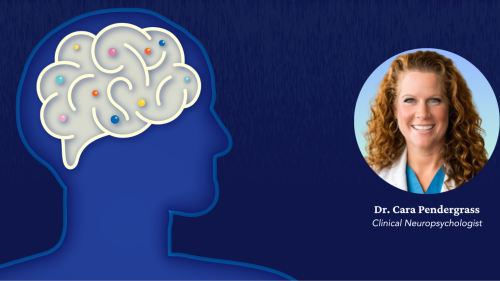
Guest Contributor: Dr. Cara Pendergrass, Clinical Neuropsychologist
At Inspīr, innovation in cognitive wellness is shaped not only by thoughtful design and meaningful daily experiences, but by collaboration with leading experts in brain health and aging. We have the pleasure of working with Dr. Cara Pendergrass, a respected clinical neuropsychologist whose expertise helps to inform how evidence-based practices can be translated into everyday life.
We recently sat down with Dr. Pendergrass to discuss practical ways individuals can support long-term brain health through simple, consistent habits. Below, she shares the research-backed guidance she believes can make a meaningful difference.
What if the most powerful tools for maintaining a healthy brain are in your daily routine?
Research consistently shows us that simple everyday activities can actively preserve brain structure, prevent cognitive changes, and protect the neural connections that keep your mind sharp. The science is consistent, the evidence is strong, and the best part: it’s never too late to start and all are within reach. Here’s what the research tells us.
Move Your Body
Physical activity does more than strengthen muscles and improve cardiovascular health; it directly affects the brain itself. Here’s what makes this remarkable: something as simple as walking, just 30 to 40 minutes, three to four times a week, can dynamically reshape your brain’s future.
The Hippocampus and Exercise Connection
The hippocampus, your brain’s center for learning and memory, benefits dramatically from exercise. Research has repeatedly found that people who have a simple exercise program, like a walking routine, retain hippocampal brain volume over 6 months, 1 year, or 2- 5 years compared to those who don’t exercise regularly. A larger, healthier hippocampus means better retention of new information and recall of memories. Hippocampal brain neurons are thriving and hold onto the structural integrity that powers learning, memory, and sharp thinking.
For adults who are sedentary and do not move? The contrast is striking. The hippocampus and other key parts of the brain will shrink. Neuronal connections, the very wiring that lets you recall a name, solve a problem, or make a decision, gradually disappear. This leads to noticeable cognitive changes: difficulty learning new things, slower recall, and problems with decision-making.
The difference between these two outcomes can be a simple walk a few times a week, an exercise class, yoga, dancing or anything that has you regularly moving.
Eat Well
We’ve long known that a diet high in saturated fat, sugar, sodium, and red meat increases the risk of heart disease. What’s now clear is that these same dietary patterns also take a toll on the brain.
Research consistently shows that adults who maintain a healthy diet, rich in vegetables, fruits, whole grains, beans, and lean proteins like chicken and fish, have better cognitive outcomes over time. This isn’t just about feeling sharper in the moment. Healthy eating affects the physical structure and volume of brain regions.
The Mediterranean Diet
One dietary pattern has received particular attention: the Mediterranean diet, which emphasizes:
- Abundant vegetables, especially leafy greens
- Fruits, beans, and legumes
- Whole grains and nuts
- Fish and poultry over red meat
- Limited processed foods, sugary snacks, and sweetened drinks
People who followed this eating pattern more consistently showed less brain atrophy, less neurons and neuronal connections across the entire brain, including cortical regions responsible for problem-solving, planning, and decision-making.
In one compelling finding, adults who did not follow a healthy Mediterranean-style diet showed brain volume loss equivalent to roughly five additional years of aging compared to those who ate well.
Simple Changes:
- Add vegetables to lunch and dinner: leafy greens are especially beneficial
- Reach for fruit instead of chips or candy when you want a snack
- Choose whole grains over refined ones
- Choose fish and chicken over red meat
- Limit sugary drinks and highly processed foods
Sleep Deeply
A full night of rest isn’t just about feeling refreshed; it’s when your brain performs essential maintenance that keeps it healthy and functioning well.
What Happens While You Sleep
Your brain doesn’t shut down at night; it gets to work. One of its most important overnight tasks involves the cerebrospinal fluid, the protective liquid that surrounds your brain. This fluid cushions the brain, delivers nutrients, and shields it from injury.
During sleep, cerebrospinal fluid dives deeper into brain tissue, flowing around and between neurons to cleanse away waste products that accumulate during the day. When your brain is active, thinking, learning, making decisions, it generates neurochemical activity that creates metabolic byproducts. If these waste products aren’t cleared out, they cause inflammation, which:
- Reduces neurons’ ability to function efficiently
- Disrupts and weakens communication between neurons
- Can lead to brain neuron and tissue loss
This nightly cleansing is essential for reducing inflammation and maintaining cognitive abilities like memory, attention, and problem-solving—and lessening the likelihood of cognitive changes.
Tips for Better Sleep
The key word is uninterrupted 7-9 hours of sleep per night; fragmented sleep doesn’t give your brain the sustained time it needs to complete its cleansing cycles. If you wake during the night, return to sleep promptly.
- Set a consistent bedtime that allows for 7–9 hours
- Put down screens once you’re in bed and turn off the TV
- Keep your bedroom dark and cool
- If you wake up at night or get up for the restroom, return to bed quickly
Social Connection and Involvement Matters
Staying engaged with others isn’t just good for your mood; it directly supports brain health, preserves cognitive function, and keeps your neurons firing the way they should.
Your brain is built for social interaction. When you engage with others—in conversation, shared activities, or simply spending time together—your neurons are actively working by processing language, reading emotions, retrieving memories, and solving problems in real time. Social interaction provides exactly the kind of complex, dynamic engagement that keeps neuronal pathways strong.
The Cost of Isolation
Loneliness isn’t just an emotional experience; it has biological consequences for the brain:
- Weaker connections between neurons
- Cognitive changes, particularly in learning, memory, and problem-solving
- Faster decline compared to those who remain socially engaged
Social Connection and the added benefit: Purpose
Social involvement gives you a reason to get up in the morning. Knowing you have plans, people expecting you, or a role to play creates a sense of purpose, which contributes to more positive daily experiences, greater motivation, and sustained cognitive health over time. Purpose and connection reinforce each other. When you’re part of something larger than yourself, your brain stays active, alert, and invested in the world around you. The key is regularity, not intensity.
- A conversation with a friend over coffee, even once every few days
- Regular involvement in a community: a club, faith group, volunteer organization, or neighborhood gathering
- Shared activities with others at any time; a walking group, healthy lunch outing
- Brief daily interactions: chatting with a neighbor, calling a family member, joining a group class
The Pillars of Brain Health
These are four everyday habits that research consistently links to healthier brains and sharper minds:
- Move regularly: A 30- to 45-minute walk, three to four times per week
- Eat well: Emphasize vegetables, fruits, whole grains, lean proteins, healthy fats
- Sleep deeply: Seven to nine hours of uninterrupted rest each night
- Stay connected: Engage with others regularly; one-on-one and as part of a community
All of these activities are simple, within reach, and do not require a dramatic change. Together, they form a powerful foundation for maintaining brain health at any age.
Your brain thrives on how you live each day. Move it, feed it well, rest it fully, and keep it connected to the people around you. That’s the daily recipe for a sharper, healthier, and more resilient mind and brain.
Findings into Practice at Inspīr
At Inspīr, these findings are not viewed as theory; they are brought to life each day through purposeful experiences that support whole-person well-being. Across both residences, residents enjoy chef-crafted menus centered on fresh ingredients, daily movement such as yoga, balance classes, guided walks, and restorative environments designed to promote comfort and healthy sleep.
Connection and cognitive engagement are equally central to daily life. In addition to daily shared meals, at Inspīr Carnegie Hill, residents enjoy live performances in the SkyPark, museum visits, educational talks, and various other social gatherings. At Inspīr Embassy Row, opportunities include The Exchange speaker series, cultural outings, musical performances, art workshops, and engaging community events. These research-informed practices are thoughtfully woven into everyday life, helping older adults live with vitality, purpose, and continued growth.
Schedule your private tour today to discover how Inspīr brings innovative wellness and meaningful living together each day.